5 Vaping Facts Every Parent and Educator Needs to Know About Kids’ Health

Vaping has become one of the fastest-growing health concerns for kids and teens, and the facts are more alarming than many parents realize. Electronic cigarettes deliver highly addictive nicotine in flavors designed to appeal to young users, and a single pod can contain as much nicotine as an entire pack of cigarettes. Even more concerning, many middle schoolers who’ve never touched a traditional cigarette are now experimenting with vapes, often without understanding the real risks to their developing brains and bodies.
If you’re a parent or educator, you need to know what you’re up against. The vaping industry has…

How to Set Up Physical Activities for Kindergarteners at Home

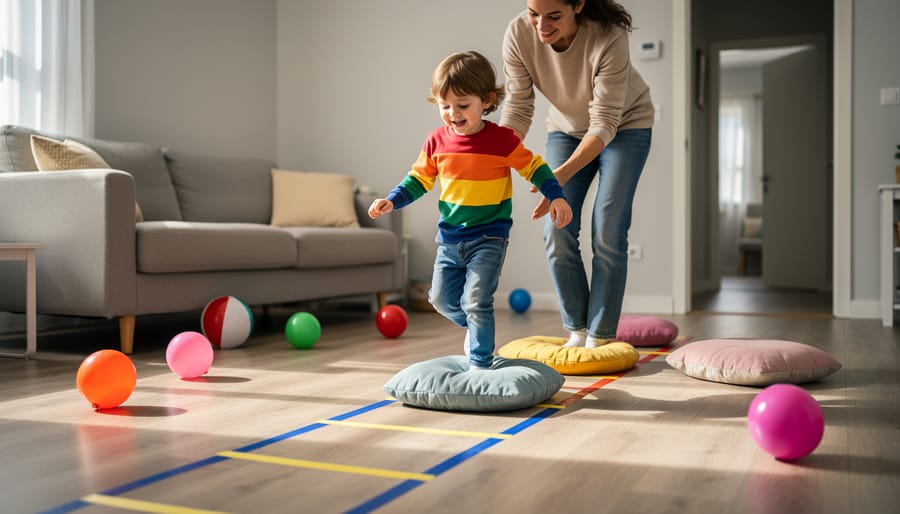
Getting kindergarteners moving at home doesn’t require a backyard obstacle course or expensive equipment. Simple activities using household items like cushions, painter’s tape, and beach balls can deliver the 60 minutes of daily physical activity young children need while building coordination, balance, and strength.
Most parents searching for these activities face a common challenge: their five- and six-year-olds have energy to burn, but structured sports programs don’t start until later, and heading to the playground isn’t always practical. The solution lies in creating a rotation of 10 to 15 movement …

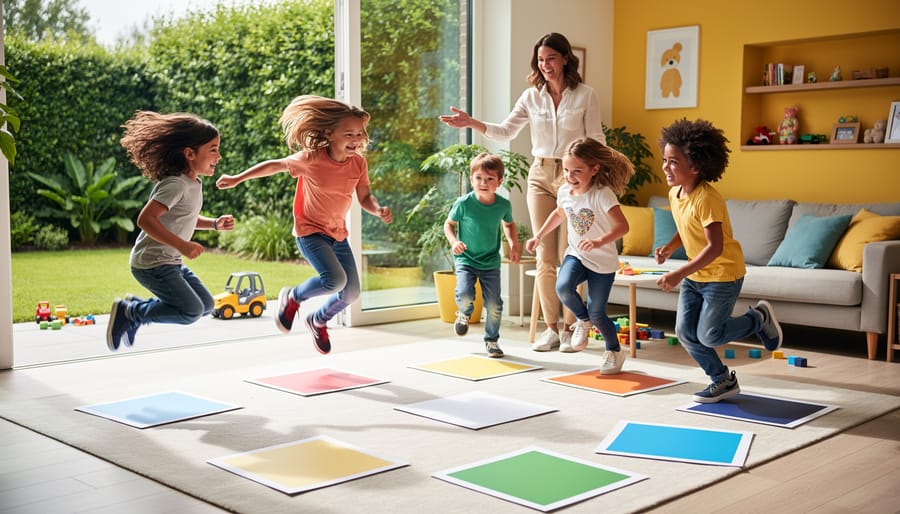
How to Enhance Vocabulary Through Active Games That Get Kids Moving

You can build a stronger vocabulary in children through movement-based games that combine physical activity with word learning, and most take just 15 to 20 minutes with materials you already have at home. These games work because they activate multiple learning pathways at once: when kids jump to spell words, race to match synonyms, or act out new vocabulary, their brains form stronger memory connections than sitting still with flashcards ever could.
The challenge with traditional vocabulary practice is simple: it’s boring. Children tune out after a few minutes of worksheets or rote memorization. But when you transform word …

Turn a Rainy Day Into Learning Fun: Indoor Games That Keep Preschoolers Moving

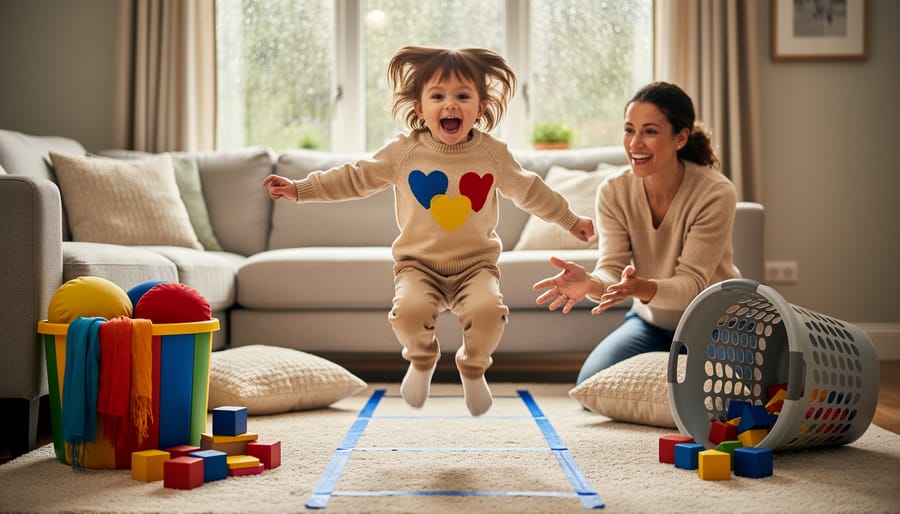
Transform rainy days and cold mornings into opportunities for active play by rotating through games that match your preschooler’s energy level and developmental stage. Set up a simple indoor obstacle course using couch cushions, painter’s tape lines, and laundry baskets to get wiggles out when outdoor play isn’t possible. Keep a quick-grab bin of age-appropriate supplies like scarves for dancing, bean bags for tossing, and large building blocks near your main play area so you’re never caught unprepared. Choose activities that require minimal setup time, as preschoolers have short attention spans and need immediate …

Why Your Child Needs to Move More (And How to Make It Happen)

Your child’s body is built to move, jump, climb, and run—yet modern childhood often looks more like sitting at desks, staring at screens, and riding in cars. This shift away from natural movement isn’t just changing how kids spend their time; it’s reshaping their health in ways that ripple into adulthood.
Understanding the connection between physical activity in child health matters now more than ever. When children move regularly, they build stronger bones, develop coordination, maintain healthy weights, and even sleep better at night. Beyond the …

Your Baby’s First Movements Start Before Birth (Here’s How to Support Them)

Start bonding with your baby through movement before they’re even born. From gentle belly touches during pregnancy to encouraging tummy time in those early months, every physical interaction builds the foundation for your child’s motor skills. Your babies are born ready to move, and the simple activities you do together each day shape their strength, coordination, and confidence in ways that last a lifetime.
Motor development isn’t just about hitting milestones on schedule. It’s about creating daily opportunities for your little one to stretch, reach, roll, and explore …