
Partner with a canada link building agency that understands educational content to identify high-authority Canadian physical literacy resources where your expertise genuinely adds value. Focus on provincial health ministries, school boards, and nationally recognized organizations like PHE Canada and ParticipACTION that maintain comprehensive resource directories for parents and educators.
Create practical, activity-driven content that fills specific gaps in existing physical literacy materials. Develop downloadable lesson plans, seasonal outdoor activity guides, or age-appropriate fitness challenges that align with Canadian Physical Literacy standards. These resources naturally attract backlinks when they solve real problems for teachers planning curriculum or parents seeking engaging movement activities for 5-12 year-olds.
Reach out to resource page managers with personalized messages highlighting how your content complements their existing materials. Reference specific gaps you’ve noticed in their current listings and explain how your guide on fundamental movement skills or indoor activity ideas during Canadian winters provides immediate practical value to their audience.
Build relationships with provincial physical education associations and after-school program networks by contributing expert advice to their newsletters or participating in their professional development webinars. These connections often lead to organic resource page inclusions as organizations recognize your commitment to supporting children’s physical literacy across Canada.
Why Physical Literacy Resources Make Perfect Link Building Partners
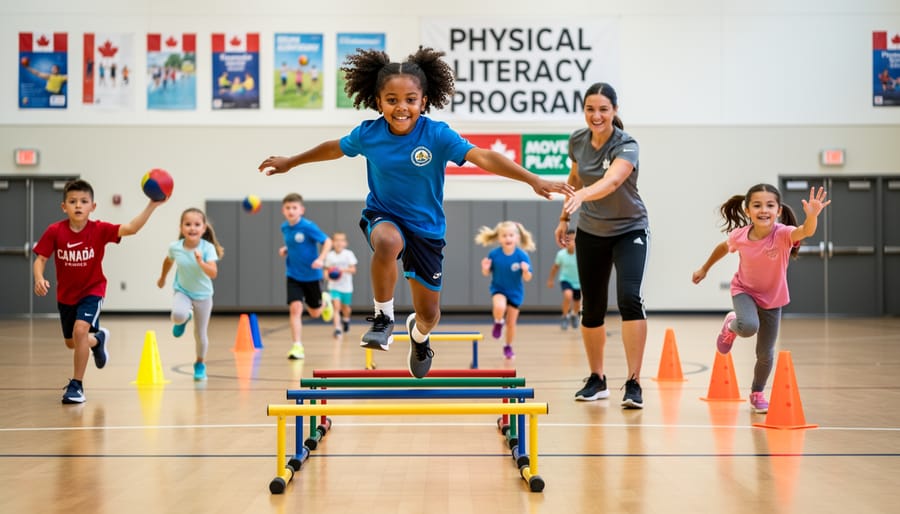
The Trust Factor in Educational Links
When you connect with Canadian physical literacy resource pages, you’re tapping into websites that both search engines and real people trust deeply. Educational sites, government health organizations, and non-profit groups dedicated to children’s wellness carry significant authority online. Think of them as the gold standard in digital credibility.
Search engines recognize that these organizations prioritize accuracy and value over profit, which means links from their pages signal quality and relevance. For parents and educators visiting these sites, seeing your content featured alongside trusted resources instantly boosts your credibility. You’re not just another website—you’re part of a community committed to children’s health.
This trust factor matters especially when you’re sharing ideas about incorporating physical education daily into children’s routines. When reputable educational platforms link to your activities and resources, it tells your audience that experts have vetted and valued your contributions. This creates a ripple effect: more engaged visitors, longer site visits, and families who return regularly for fresh ideas. Building relationships with these trusted Canadian resources isn’t just smart marketing—it’s about joining a meaningful movement that prioritizes children’s physical development and lifelong healthy habits.
Canadian Content Preference in Local SEO
When you’re looking for trustworthy physical literacy resources, choosing Canadian-specific content can make a real difference in how easily families and educators in your community find you online. Search engines like Google prioritize local relevance, which means websites featuring Canadian resources, curriculum connections, and region-specific activity ideas naturally rank higher in Canadian search results.
Think of it this way: a parent in Toronto searching for “outdoor winter activities for kids” will see different results than someone searching from another country. By incorporating Canadian content – whether that’s references to ParticipACTION guidelines, provincial physical education standards, or activities suited to our unique seasons – you’re speaking directly to your audience’s needs.
This local focus does more than improve your search rankings. It builds trust with parents and educators who want resources that reflect their children’s experiences, from skating on community rinks to understanding our climate’s impact on year-round activity planning. Canadian content shows you understand the context in which families are raising active kids, making your website a go-to resource they’ll return to and recommend to others in their networks.
Top Canadian Physical Literacy Resource Pages Worth Connecting With
Sport for Life and Physical Literacy Canada
Sport for Life and Physical Literacy Canada stands as a go-to hub for anyone wanting to help kids develop movement skills and confidence. Their website offers an impressive collection of free downloadable materials, including activity cards, assessment tools, and parent guides that make physical literacy accessible for families and schools alike. You’ll find practical resources like the Canadian Physical Literacy Assessment, which helps track children’s progress in fun, non-intimidating ways.
What makes this organization particularly valuable is their commitment to collaboration. They regularly partner with schools, community programs, and sports organizations to share best practices and create meaningful opportunities for children to stay active. Their expert-developed content breaks down complex movement concepts into simple, enjoyable activities that work whether you’re in a gymnasium, backyard, or local park. Teachers and parents appreciate their evidence-based approach that focuses on building lifelong participation rather than elite performance. The downloadable planning templates and activity sheets save valuable preparation time while ensuring kids experience diverse, age-appropriate physical challenges that build both competence and enthusiasm for movement.
Provincial Health and Education Departments
Provincial governments across Canada are stepping up to support physical literacy in amazing ways! Ontario’s Ministry of Education offers comprehensive physical literacy frameworks and downloadable activity guides that align perfectly with curriculum goals. Their resources include assessment tools that help you track children’s progress in developing fundamental movement skills.
British Columbia’s government provides excellent free materials through their education portal, featuring culturally inclusive activities that celebrate diverse communities. These resources are particularly helpful because they’re designed by educators who understand local needs and challenges.
Alberta Education shares fantastic lesson plans and physical activity resources that teachers and parents can access anytime. What makes these provincial resources extra valuable is that many accept community feedback and contributions, meaning your insights as parents and educators truly matter.
These government pages often welcome collaboration from organizations working in physical literacy. Consider reaching out to share successful activities you’ve implemented or suggest improvements based on your experience. Your real-world expertise helps shape better resources for everyone. Start by exploring your own province’s education department website to discover locally-relevant tools and connection opportunities that support active, healthy kids.
ParticipACTION’s Educational Hub
ParticipACTION stands as Canada’s leading voice in getting kids moving through meaningful play. Their Educational Hub offers a treasure trove of free resources designed specifically for parents and educators who want to spark joy in physical activity. You’ll find age-appropriate activity ideas that require minimal equipment and can be adapted for various skill levels, making it easy to get started right away.
The hub features their popular Everything Gets Better When You Play campaign materials, complete with downloadable activity cards and video demonstrations. These resources break down movement skills into fun, bite-sized challenges that keep children engaged while building fundamental physical literacy. Parents appreciate the practical tips on incorporating more active time into daily routines, while educators value the curriculum-aligned lesson plans.
What sets ParticipACTION apart is their evidence-based approach backed by expert advice from physical activity researchers and child development specialists. Their Community Better Challenge toolkit provides ready-made programs for schools and communities to organize group activities. The website also connects you with local initiatives and partners across Canada, helping you discover opportunities for active play right in your neighbourhood.
Canadian School Board Physical Education Pages
Many Canadian school boards have developed excellent physical education resource pages that are goldmines for parents and educators. The Toronto District School Board offers comprehensive lesson plans and activity ideas that teachers willingly share with families. Similarly, the Vancouver School Board maintains an active PE section with seasonal activity guides and equipment recommendations perfect for home use.
These school board websites often welcome community partnerships and guest contributions. Consider reaching out to your local board’s PE coordinator to share success stories about how your family incorporates physical literacy at home. Many boards feature parent testimonials or accept blog posts about creative movement activities.
The Calgary Board of Education stands out with its Health and Physical Education resources, including downloadable activity sheets and video demonstrations. These materials are designed to complement classroom learning, making them ideal for reinforcing skills at home. Edmonton Public Schools also provides multilingual resources, ensuring families from diverse backgrounds can access physical literacy information.
Building relationships with school board PE departments opens doors for collaborative content opportunities while genuinely supporting your community’s health and wellness goals.
Youth Sport and Recreation Organizations
Canadian youth sport and recreation organizations provide incredible support to help kids stay active and build physical literacy skills. Canadian Tire Jumpstart Charities stands out as a national program that removes financial barriers by providing grants to help children participate in organized sports and recreation activities. If cost has been holding your family back, this resource can open doors to hockey, swimming, dance, and countless other activities.
Your local recreation department is another goldmine of opportunities. Most municipalities offer affordable programs ranging from multi-sport camps to specialized skill development sessions. These departments often provide progressive programming designed specifically to build fundamental movement skills in age-appropriate ways.
Provincial sport organizations also offer excellent resources, including coaching guides, activity ideas, and information about community programs. KidSport is another fantastic national charity worth exploring, providing grants to children aged 18 and under.
Don’t overlook community centers, YMCA/YWCA branches, and Boys and Girls Clubs in your area. These organizations frequently offer drop-in programs, structured classes, and recreational leagues that prioritize fun and skill development over competition, making them perfect environments for building confidence and physical literacy.
How to Approach These Sites for Link Building Success
Create Link-Worthy Content They’ll Want to Share
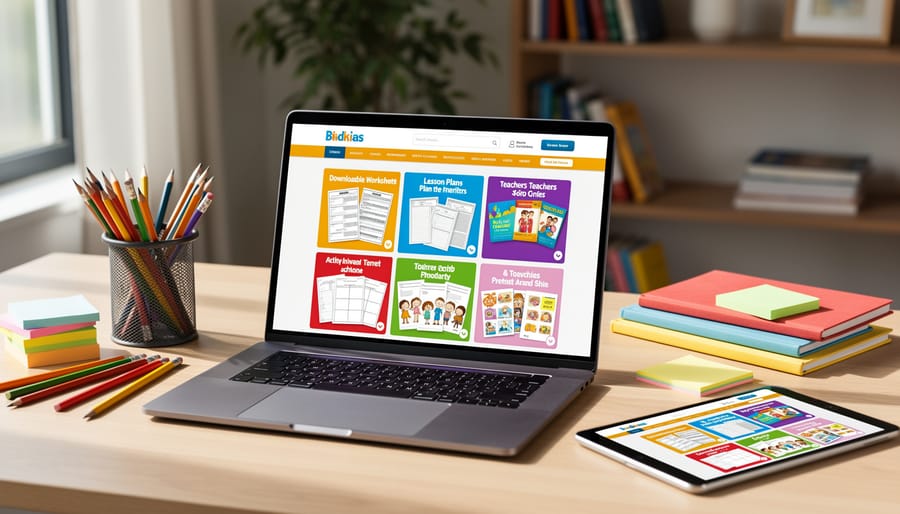
Creating content that other physical literacy websites want to link to is easier than you might think. Start by developing practical activity guides that break down fundamental movement skills into fun, easy-to-follow games and exercises. Teachers and parents love printable resources they can use immediately, like colorful posters showing proper technique or weekly challenge calendars.
Consider summarizing recent research on physical literacy in simple, parent-friendly language that translates studies into actionable insights. Create interactive tools such as age-appropriate fitness assessments or activity planners that help families set achievable goals.
Seasonal content works wonderfully too. Think winter indoor activities for snowy Canadian days or summer outdoor adventures that keep kids moving during school breaks. When you provide genuine value through resources that save educators time and inspire families to get active together, other organizations naturally want to share your content with their audiences. Focus on solving real problems and answering common questions from your community, and the quality backlinks will follow organically.
Craft Your Outreach Message
When reaching out to Canadian physical literacy resource pages, your message should feel genuine and highlight what you can offer their audience. Start by showing you’ve actually explored their content—mention a specific article or resource you found helpful. This personal touch shows respect for their work and sets a friendly tone.
Your email should be brief and focus on value. Explain how your content complements their mission to support children’s physical development. For example: “I noticed your excellent guide on outdoor winter activities. I’ve created a resource on integrating active games into daily routines that your parent community might find useful.”
Keep your language warm and conversational, just like you’re chatting with a fellow educator or parent. Avoid pushy sales language or demanding links. Instead, frame it as a collaboration: “I’d love to hear your thoughts on this resource. If you find it valuable for your readers, I’d be honored if you’d consider sharing it.”
Remember to make it easy for them—include a direct link to your content and be clear about why it matters to their audience. End with appreciation for their time and leave the door open for genuine connection, whether or not they feature your link.
Building Long-Term Partnerships
Building meaningful connections with Canadian physical literacy organizations goes far beyond requesting a single link. The most successful partnerships grow through genuine collaboration and mutual support. Start by actively engaging with their content—share their resources on your social media, leave thoughtful comments on their blog posts, and reference their work in your own educational materials.
Consider proposing joint content projects that benefit both audiences. You might co-create activity guides, develop seasonal challenge programs, or compile expert roundups featuring insights from both organizations. When you share valuable resources generously, other organizations naturally want to reciprocate.
Regular communication keeps partnerships strong. Send quarterly updates about your latest initiatives, ask for feedback on new programs you’re developing, and celebrate their achievements publicly. Think of these relationships as ongoing conversations rather than one-time transactions.
Resource sharing creates natural linking opportunities. When you discover useful research, innovative teaching methods, or engaging activity ideas, pass them along to your partners. They’ll appreciate your thoughtfulness and remember you when creating their own content. These authentic relationships often lead to featured content, guest posting opportunities, and collaborative projects that strengthen both organizations’ reach within the physical literacy community.
What Content Gets Links from Physical Literacy Pages
Activity Guides and Game Ideas
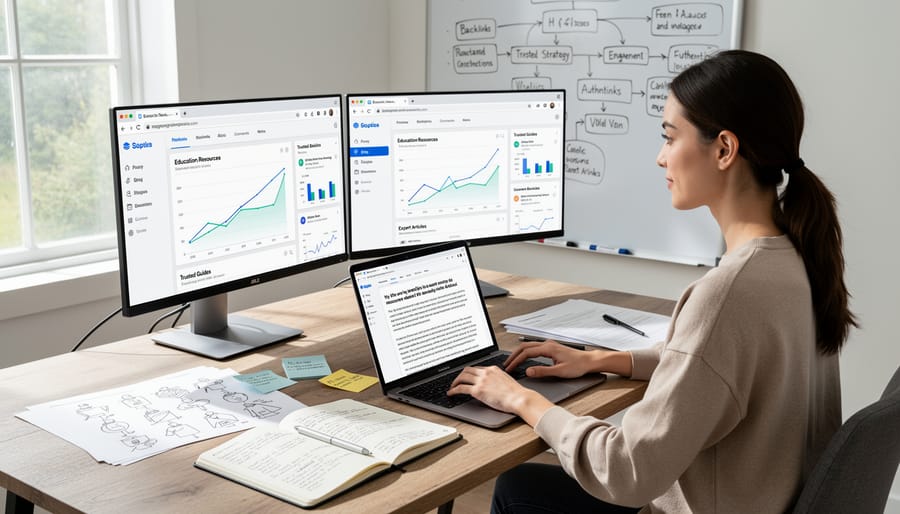
Creating valuable activity guides starts with understanding what educators truly need: clear instructions, minimal equipment, and adaptable games for different skill levels. Your resource pages should feature engaging activity resources that include step-by-step directions, visual aids, and suggested modifications for various abilities.
Organize activities by age group, space requirements, and physical literacy skills like balance, coordination, and agility. Include printable activity cards that teachers can grab quickly during lesson planning. Safety tips and equipment alternatives make your guides more practical and shareable.
Consider featuring simple game ideas using everyday items, which appeals to both classroom teachers and parents. Add seasonal variations to keep content fresh and encourage repeat visits. When educators find resources that save them time and genuinely engage kids, they naturally bookmark and share these pages with colleagues, building your site’s authority organically while supporting physical literacy across Canada.
Research-Backed Health Information
When sharing physical activity information on your website, backing it up with credible Canadian research makes your content more trustworthy and link-worthy. Organizations like ParticipACTION and the Canadian Society for Exercise Physiology provide valuable data that resource pages love to reference.
Start by citing recent Canadian statistics about children’s activity levels and health benefits research. Present numbers in simple, visual formats like infographics or quick-read fact boxes that busy parents can easily digest and share. For example, translate complex studies into practical takeaways: “Canadian research shows kids who move for 60 minutes daily sleep better and focus more in school.”
Include source links to original studies and government resources, which helps other educators trust your content enough to link back to it. Keep explanations straightforward and connect data to real-world benefits families care about, like improved confidence, stronger friendships, and better academic performance.
Printables and Visual Resources
Canadian physical literacy resource pages excel at creating shareable visual materials that naturally attract links from educators and parent groups. Look for downloadable posters showing age-appropriate movement activities, progress trackers that help children celebrate their physical achievements, and colorful worksheets featuring games that combine learning with active play. These printables work wonderfully because teachers can use them immediately in classrooms, recreation centers, and after-school programs. The best resources offer materials in both English and French, making them accessible across Canada. When you find high-quality printables, they often include tip sheets for parents explaining how to encourage active play at home, activity cards with illustrated instructions that kids can follow independently, and seasonal challenge calendars that keep families moving year-round. These practical tools generate organic backlinks because people genuinely want to share helpful resources that make promoting physical literacy easier and more fun for everyone involved.
Mistakes to Avoid When Targeting Educational Sites
Don’t Lead with the Ask
Building genuine connections with Canadian physical literacy organizations takes time, but it’s worth the effort. Think of it like making new friends at the playground – you wouldn’t walk up to someone and immediately ask for a favor, right? The same principle applies when reaching out to educational resource pages.
Start by engaging with their content authentically. Share their articles on social media, leave thoughtful comments on their blog posts, or participate in their community discussions. When you do reach out, focus on how you can support their mission of promoting physical activity for kids. Perhaps you’ve developed a unique resource that fills a gap in their existing materials, or you’ve noticed an outdated link you can help them update.
Educational organizations receive countless link requests daily. By establishing yourself as a valuable member of the physical literacy community first, you’ll stand out as someone who genuinely cares about helping Canadian kids develop healthy, active lifestyles – not just someone looking for a quick SEO win.
Avoid Low-Quality or Irrelevant Content
When building your physical literacy resource page, steer clear of content that might turn away the very educators and health professionals you want to reach. Avoid linking to sites with outdated information, like exercise guidelines from decades ago or nutrition advice that contradicts current health recommendations. Stay away from commercial-heavy pages that push specific products rather than focusing on education and child development. Content filled with complex medical terminology or advanced sports science jargon can alienate parents who simply want practical ideas for getting their kids active. Similarly, skip resources that lack proper citations or make unrealistic health claims without scientific backing. Pages cluttered with excessive advertising, broken links, or poor design signal low quality and damage your credibility. Remember, your goal is to provide trustworthy, accessible information that helps families create positive movement experiences together.
Building meaningful connections with Canadian physical literacy resource pages isn’t just smart for your website’s search rankings—it’s a win-win that helps more children discover the joy of movement. When you earn a quality backlink from a trusted educational resource, you’re strengthening your website’s authority while genuinely contributing to a healthier, more active generation of kids.
The beauty of this approach is that it grows naturally over time. Start small by reaching out to just one organization whose mission aligns with yours. Share a valuable resource, offer to contribute expert advice, or collaborate on activity-driven content that serves both your audiences. These partnerships build trust and credibility that extends far beyond SEO metrics.
As you develop these relationships, you’ll notice something wonderful happening. Your website becomes part of a larger community dedicated to children’s physical literacy, and that authenticity shines through in everything you do. Parents and educators can sense when content comes from a place of genuine care rather than just marketing tactics.
Remember, the most successful partnerships aren’t built overnight. Focus on providing real value, stay consistent in your outreach, and watch as both your community impact and online visibility grow together. Your commitment today creates healthier, more active tomorrows for Canadian children.