
Your child’s body is built to move, jump, climb, and run—yet modern childhood often looks more like sitting at desks, staring at screens, and riding in cars. This shift away from natural movement isn’t just changing how kids spend their time; it’s reshaping their health in ways that ripple into adulthood.
Understanding the connection between physical activity in child health matters now more than ever. When children move regularly, they build stronger bones, develop coordination, maintain healthy weights, and even sleep better at night. Beyond the physical benefits, active kids often show improved concentration in school, better mood regulation, and stronger friendships formed through play.
The good news? You don’t need expensive equipment, special facilities, or complicated programs to get started. Whether you’re a parent looking to energize your family’s routine or an educator seeking to bring more movement into your classroom, small changes create meaningful results.
This guide breaks down exactly why movement matters for growing bodies and minds, then walks you through practical, tested strategies to weave more activity into your child’s day. You’ll discover simple approaches that fit real life—busy schedules, limited space, varying weather, and all. These aren’t one-size-fits-all prescriptions but flexible ideas you can adapt to your unique situation, helping the children in your care develop a lasting love for movement that serves them for life.
What Childhood Physical Activity Really Means (It’s More Than Just Sports)
When you hear “physical activity,” you might picture organized sports teams, expensive gym memberships, or structured exercise classes. But here’s the wonderful truth: childhood physical activity is simply any movement that gets kids up and moving their bodies. It’s much broader and more accessible than you might think.
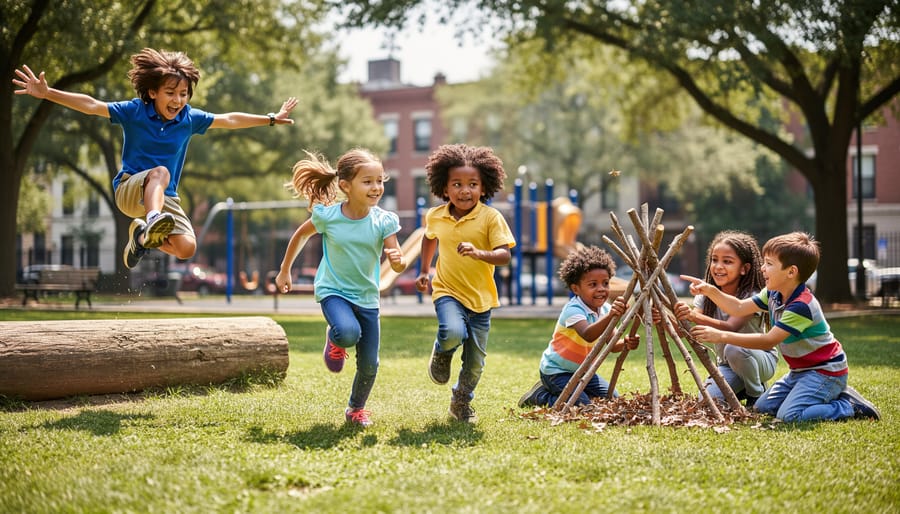
Physical activity includes everything from playing tag at recess to helping rake leaves in the yard. It’s dancing to favorite songs in the living room, walking to school, climbing playground equipment, or even doing household chores. These everyday movements count just as much as formal sports programs, and they’re often easier to fit into busy family schedules.
Think of physical activity in three main categories. First, there’s active play, which is unstructured fun like running around with friends, jumping rope, or exploring nature. Second, there’s active transportation, such as walking or biking to destinations instead of always driving. Third, there’s structured activity, which includes sports teams, dance classes, or swimming lessons. All three types matter, and children benefit most when they experience a mix throughout their week.
Here’s where many parents feel relieved: you don’t need special equipment, fancy facilities, or expensive programs to help your child stay active. A ball from the dollar store, a sidewalk for hopscotch, or simply turning on music for an impromptu dance party can get kids moving. The goal isn’t perfection or competition; it’s simply getting their hearts pumping and their bodies in motion regularly.
What matters most is finding activities your child genuinely enjoys. When movement feels like fun rather than forced exercise, children naturally want to do more of it. Whether they prefer solo activities like riding a bike or group games with siblings and friends, the key is making physical activity a normal, enjoyable part of everyday life.
The Surprising Ways Movement Transforms Your Child’s Health
Building Stronger Bodies from the Inside Out
When children move their bodies regularly, something amazing happens beneath the surface. Every jump, skip, and sprint is quietly building a foundation for lifelong health, strengthening their growing bodies in ways that will serve them for decades to come.
Let’s start with bones and muscles. Active children develop stronger, denser bones that are better equipped to handle the bumps and tumbles of childhood. Think of physical activity as a deposit in your child’s bone bank—each active day adds to their reserves. Whether they’re climbing playground equipment, dancing in the living room, or riding bikes around the neighborhood, they’re building muscle strength that makes everyday tasks easier and more enjoyable.
Weight management becomes natural when kids are active. Rather than focusing on numbers on a scale, regular movement helps children maintain a healthy body composition while they enjoy themselves. The beauty is that active kids rarely think about exercise as a chore—they’re simply having fun playing tag or swimming at the local pool.
Their hearts get stronger too. Cardiovascular activities like running, jumping rope, or playing soccer train the heart to pump blood efficiently throughout the body. Picture your child’s heart as a muscle that gets better with practice—the more it works during active play, the healthier it becomes.
Finally, experts note that physically active children tend to get sick less often. Movement boosts immune function, helping their bodies fight off common colds and infections. When your child is outside playing, they’re not just burning energy—they’re building their body’s natural defense system, one active day at a time.
The Brain-Body Connection That Boosts Learning
Here’s something exciting: when your child runs, jumps, and plays, their brain gets just as much of a workout as their body. Physical activity isn’t just about building strong muscles—it’s actually one of the most powerful tools for boosting learning and academic success.
Research consistently shows that children who are physically active perform better in school. Even a simple 20-minute movement break can sharpen concentration for the next lesson. When kids get their hearts pumping, blood flow to the brain increases, delivering more oxygen and nutrients that help brain cells function at their best.
The benefits show up in real, measurable ways. Active children demonstrate improved memory retention, making it easier to remember everything from spelling words to math facts. They also develop stronger problem-solving skills and creative thinking abilities. Teachers often notice that students who participate in regular physical activity stay more focused during lessons and complete tasks more efficiently.
Think of movement as brain fuel. Activities like dancing, swimming, or playground games help build new neural connections that support learning. This doesn’t mean your child needs to become a star athlete—consistent, enjoyable movement is what matters most.
The connection is simple: active bodies create active minds. When you encourage your child to move throughout the day, you’re not taking time away from learning—you’re actually creating the ideal conditions for their brain to absorb and process information more effectively. That’s a win-win worth celebrating.
Happy Kids Move More (And Moving Makes Kids Happier)
When children move their bodies, something wonderful happens beyond just physical fitness—they feel better emotionally too. You’ve probably noticed that after a good play session outside, your child seems more relaxed and happy. That’s not a coincidence. Physical activity is a powerful mood booster that can genuinely transform how kids feel about themselves and their world.
Active kids experience less anxiety and stress because movement helps their bodies release those feel-good chemicals called endorphins. When children run, jump, dance, or play sports, they’re naturally working through daily worries and tensions. Think of physical activity as a reset button for their emotional state.
Self-esteem gets a wonderful boost through movement too. When children master a new skill—whether it’s finally making it across the monkey bars or scoring their first soccer goal—they gain confidence that carries into other areas of life. Every physical achievement reminds them, “I can do hard things.”
Sleep becomes easier as well. Active children typically fall asleep faster and enjoy deeper, more restful sleep. Their bodies are naturally tired in the best possible way, making bedtime less of a battle for everyone.
Group activities offer another bonus: social skills development. Team sports, dance classes, and playground games teach children how to cooperate, communicate, and resolve conflicts. They learn to take turns, encourage teammates, and handle both winning and losing gracefully. These friendship-building opportunities help children develop emotional intelligence that benefits them throughout life.
How Much Activity Does Your Child Actually Need?
Good news: the activity guidelines are simpler than you might think! Health experts recommend that children aged 5-12 get at least 60 minutes of moderate to vigorous physical activity every day. Before you worry about fitting another hour into an already packed schedule, here’s the reassuring part—those 60 minutes don’t have to happen all at once.
Think of it like filling a piggy bank throughout the day. A 15-minute walk to school, 20 minutes of recess, a 10-minute bike ride after homework, and 15 minutes of dancing in the living room before dinner? You’ve just hit your goal without even trying that hard!
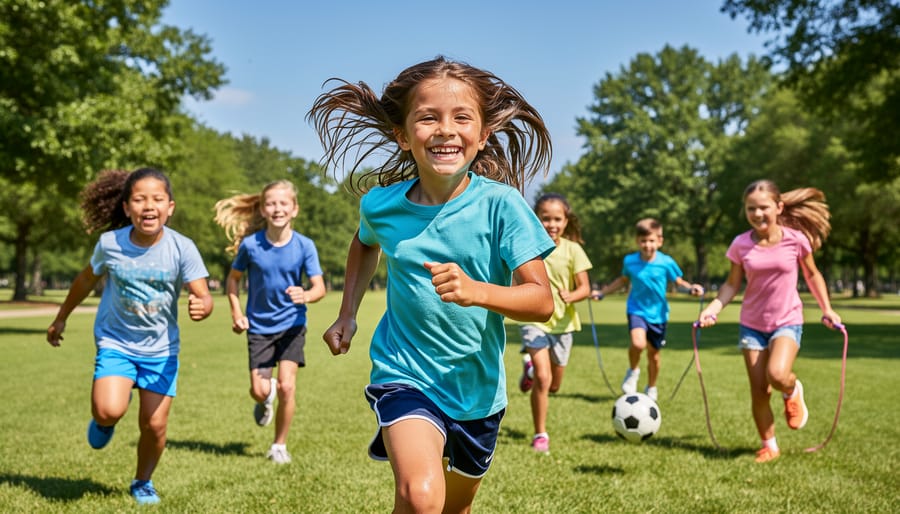
What counts toward those 60 minutes? Pretty much any movement that gets your child’s heart pumping faster. Running, swimming, playing tag, jumping rope, soccer, gymnastics—it all adds up. The key is getting them breathing harder than normal and working up a light sweat.
Experts suggest mixing up the intensity levels throughout the week. Most of that daily hour should be moderate activity where kids can still chat with friends while moving. Think brisk walking or casual biking. But aim to include vigorous activity at least three days per week—things like running games, sports, or active playground play that really get them huffing and puffing.
Don’t forget muscle and bone-strengthening activities! Climbing, jumping, tug-of-war, and sports like basketball naturally build strength. Include these at least three days weekly as part of those 60 minutes. The beautiful thing? Many activities check multiple boxes at once, making it easier than you’d imagine to meet these recommendations.
Simple Ways to Sneak More Movement Into Everyday Life
Before and After School Movement Boosters
The moments before and after school offer golden opportunities to weave movement into your child’s day without requiring major schedule changes. These transition times are actually perfect for building active habits that stick because they happen consistently, five days a week.
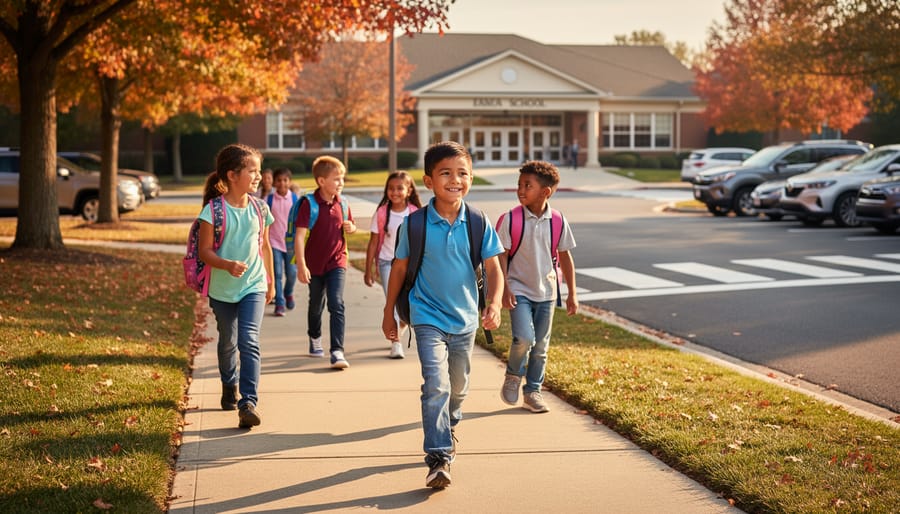
Consider making the journey to school an active one. Walking or biking together not only gets legs moving but also provides valuable conversation time. If distance is an issue, try parking a few blocks away or getting off the bus one stop early. Many families find this morning movement helps kids arrive at school more focused and ready to learn.
After-school energy can feel overwhelming, but channeling it into movement makes the homework routine smoother. Try activity breaks every 20 minutes during homework time. A quick dance to one favorite song, jumping jacks, or running up and down the stairs can reset attention spans remarkably well. Pediatric health experts note that these brief bursts actually improve concentration rather than disrupting it.
Family dance parties deserve a special mention because they’re joyful, inclusive, and require zero equipment. Put on three songs after dinner and let everyone move however feels good. Younger siblings, older kids, and adults can all participate at their own level, making it a true family activity that builds both fitness and connection.
Turn Screen Time Into Active Time
Let’s be real—screens are part of modern life, and completely eliminating them isn’t practical for most families. The good news? You can transform passive screen time into opportunities for movement. Active video games that require dancing, sports simulations, or full-body motion are excellent stepping stones for kids who resist traditional exercise. Think dance competitions in your living room or virtual tennis matches that get hearts pumping.
Try the “commercial break challenge” during family TV time. When ads appear, everyone jumps up for jumping jacks, a plank hold, or a quick lap around the house. It’s silly, it’s fun, and those two-minute bursts add up throughout an evening.
Balance indoor tech time with outdoor exploration games. Geocaching turns neighborhood walks into treasure hunts using smartphones, while nature scavenger hunts encourage kids to move with purpose. Apps that track steps or create active challenges can motivate tech-savvy children to see movement as an adventure rather than a chore.
The goal isn’t perfection—it’s progress. By creatively blending technology with activity, you’re teaching children that movement can happen anywhere, anytime, even alongside their favorite devices.
Fun Activities That Don’t Feel Like Exercise
The secret to getting kids moving? Make it so fun they forget they’re exercising! Children are naturally playful, so let’s tap into that energy with activities that feel like pure fun.
Transform your backyard or living room into an obstacle course using household items. Line up cushions to jump over, chairs to crawl under, and tape lines to balance along. Time each run and challenge kids to beat their personal best. You can theme it around their favorite characters or make it a jungle expedition.
Treasure hunts get kids running, bending, and exploring without realizing the workout they’re getting. Hide small toys or treats around your space with clues that require physical actions like “do five jumps then look under something soft” or “hop on one foot to the next clue.” The excitement of discovery keeps them motivated.
Animal movement games are perfect for younger children. Call out different animals and have kids move like them: hop like a bunny, waddle like a penguin, slither like a snake, or gallop like a horse. You can even create a story where they travel through different habitats, encouraging imaginative play alongside movement.
Visit your local playground with mini-challenges in mind: swing ten times, go down the slide backward, or cross the monkey bars. These active play activities build strength and coordination while kids socialize and have a blast. The key is keeping things light, varied, and centered on enjoyment rather than exercise.
Getting Schools on Board With Physical Education
You have more power than you might think when it comes to shaping physical activity opportunities at your child’s school. Whether PE time has been reduced or recess feels too short, partnering with educators can create positive change.
Start by scheduling a friendly conversation with your child’s teacher or principal. Come prepared with specific observations rather than complaints. You might say, “I’ve noticed the kids seem more focused after recess. I’d love to explore ways to expand active time during the school day.” This opens dialogue without putting anyone on the defensive.
Bring evidence to support your case. Research shows that quality PE programs improve academic performance, not detract from it. Children who move regularly demonstrate better concentration, memory, and test scores. Share articles or studies that highlight these connections, making it easier for administrators to justify program expansions.
Consider forming or joining a parent committee focused on wellness. There’s strength in numbers, and schools often respond positively to organized parent involvement. Your group might volunteer to supervise additional recess time, organize walk-to-school days, or fundraise for playground equipment.
Offer solutions, not just problems. If budget constraints limit PE staffing, propose classroom movement breaks that teachers can easily implement. Suggest partnering with local sports organizations for guest instructors or equipment donations.
Remember that educators genuinely care about student wellbeing. They’re often facing their own constraints around testing requirements and limited resources. Approach conversations as partners working toward the same goal: helping children thrive. When parents and teachers collaborate respectfully, everyone wins, especially the kids who benefit from more opportunities to move, play, and grow.
What If My Child Doesn’t Like Traditional Sports?
Not every child dreams of joining a soccer team or shooting hoops, and that’s completely okay. The key is discovering what makes your child want to move, not forcing them into activities they dread.
If traditional team sports aren’t clicking, explore alternatives that might spark their interest. Nature lovers often thrive with hiking or geocaching adventures that turn movement into exploration. Swimming offers a low-pressure environment where kids can progress at their own pace while building full-body strength. Martial arts classes teach discipline and self-confidence alongside physical skills, appealing to children who prefer individual achievement over team dynamics.
Creative kids might light up with dance classes, where self-expression meets physical activity. Yoga introduces mindfulness and flexibility without competition, perfect for children who feel overwhelmed by high-energy sports. Even gardening counts as meaningful movement, combining fresh air, stretching, and the satisfaction of growing something real.
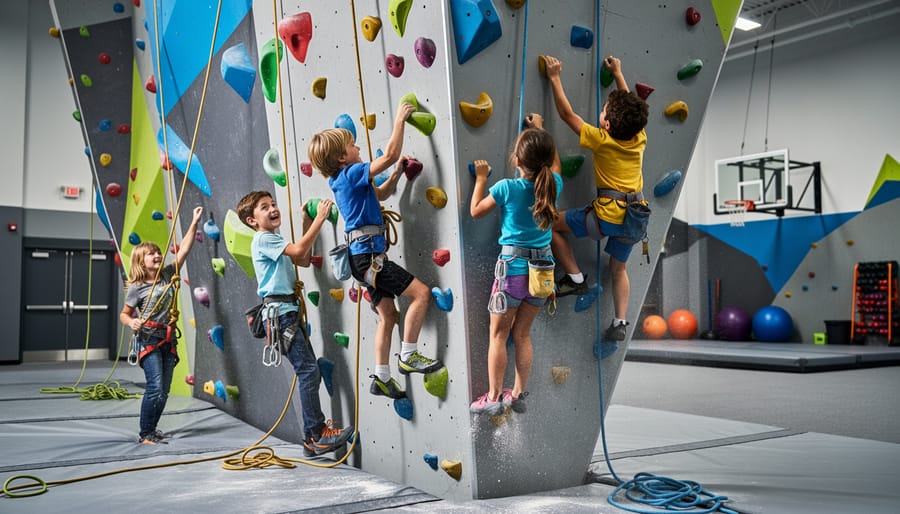
The experts agree: consistency matters more than the specific activity. When children find something they genuinely enjoy, they’ll stick with it naturally. Try offering a variety of options without pressure, and watch for what captures their attention. You might be surprised to discover your child loves rock climbing, skateboarding, or even walking the dog.
Need more strategies to help reluctant children find their groove? Remember that building positive associations with movement takes time. Focus on fun first, and fitness will follow naturally as your child discovers activities that feel less like exercise and more like play.
Here’s the truth: you don’t need a complete lifestyle overhaul to make a real difference in your child’s health. Small, intentional changes add up quickly. Whether it’s swapping ten minutes of screen time for a backyard game, walking to school twice a week, or introducing a new active hobby, every step counts. The key is simply to start.
Choose one idea from what you’ve read today and put it into action this week. Just one. Maybe it’s a family dance party after dinner or setting up a simple obstacle course in the living room. Watch how that single change creates momentum for more.
Remember, you’re not alone in this journey. The Active After School community is here to support you with fresh ideas, expert guidance, and encouragement along the way. Explore our growing collection of resources designed specifically for busy parents and educators like you. Ready for ongoing inspiration delivered right to your inbox? Sign up for our newsletter today and join thousands of families who are making movement a natural, joyful part of childhood. Your child’s healthier, happier future starts with the choices you make today.